Webhooks explained for business automations
What a webhook is, how automation platforms receive them, and how to secure and test them.
Guide by the Otomatzia editorial team · checked against official sources on
What a webhook is
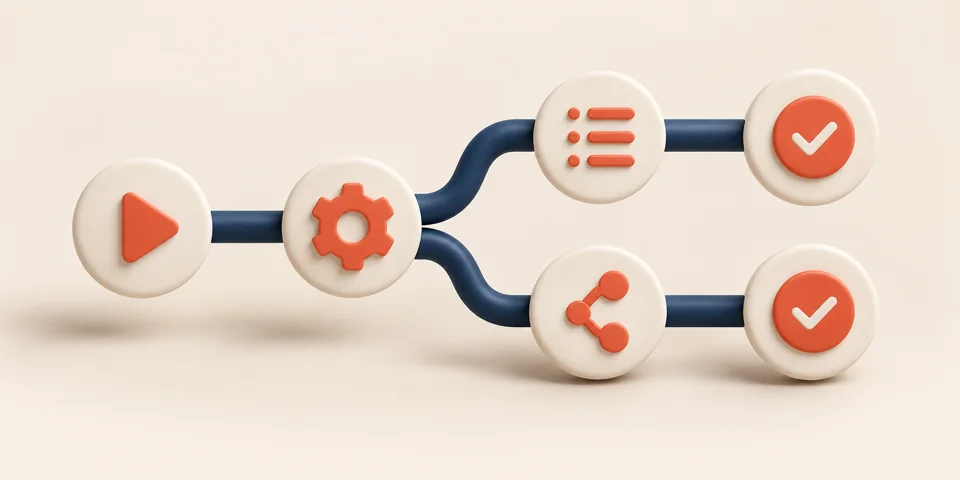
A webhook is an HTTP request one system sends to a URL you provide when something happens, such as a booking or form entry. It replaces polling for changes.
Receiving them
Make, n8n and Zapier can each provide a webhook URL that starts a workflow. Slack incoming webhooks work the other way: your workflow posts into Slack.
Securing and testing
- Treat webhook URLs as secrets
- Verify signatures or a shared header when the sender supports it
- Expect retries and duplicates; make the workflow idempotent
- Test with sample payloads before connecting real data
Sources to check next
Vendor features and prices change. Confirm details on the linked official pages before you rely on them.
What to read next
- n8n: workflow automation you can self-host or run in the cloud
- Slack: notifications, Workflow Builder and incoming webhooks
- Calendly: scheduling with workflows, webhooks and integrations